
Abrasive Blasting for Machined Parts: Process, Media and Benefits
Abrasive blasting, often called sandblasting, directs abrasive particles at a surface using compressed air or another controlled stream. It can remove rust or scale, prepare a surface for a coating, soften small accessible burrs, or create a uniform matte appearance. The result depends on the workpiece, abrasive, equipment and acceptance criteria. A drawing that says only “sandblast” leaves important decisions open.
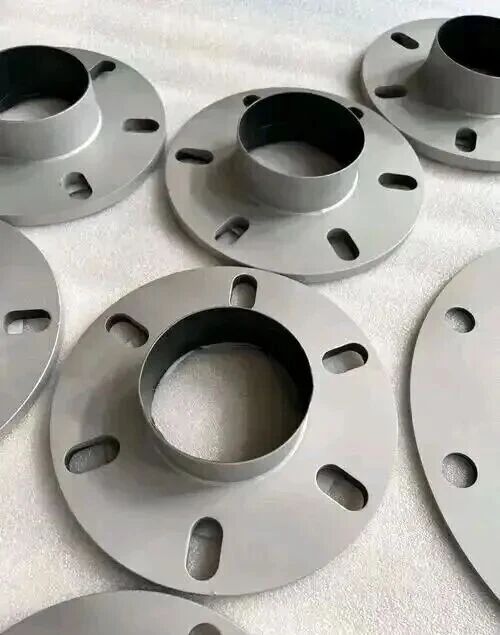
How does abrasive blasting work?
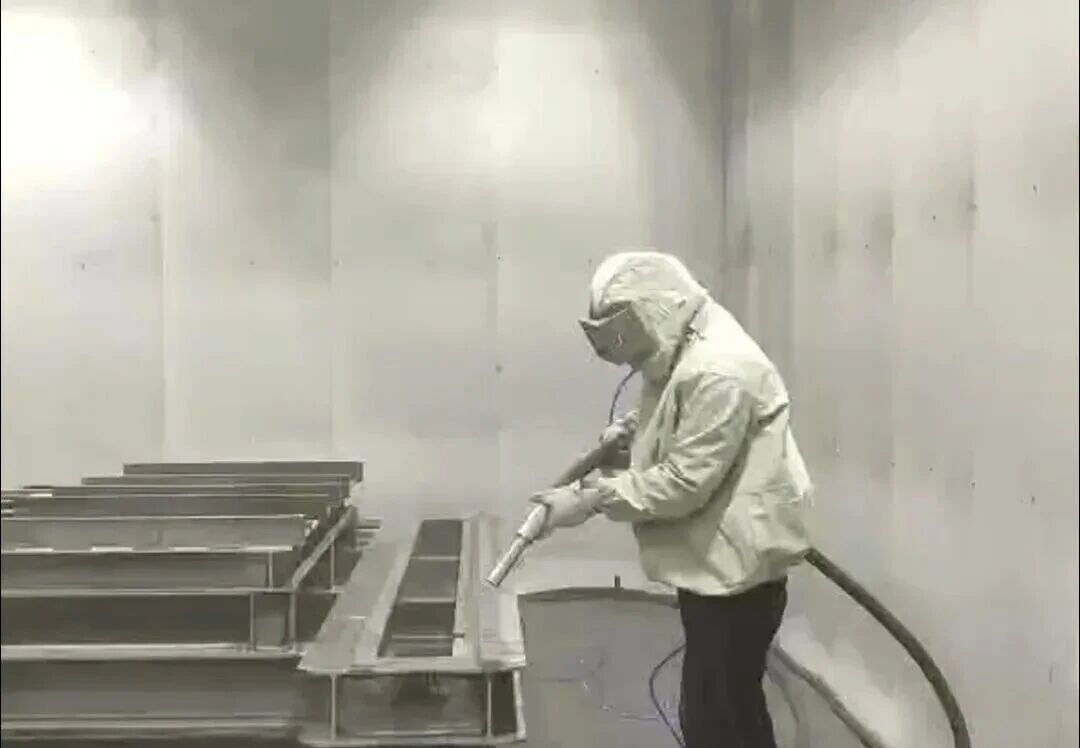
A nozzle accelerates the chosen media toward the part. Angular particles tend to cut and roughen; rounded beads tend to peen and produce a softer visual texture. Pressure, media size, nozzle distance, angle, exposure time and part geometry all influence the result. Blasting is primarily a mechanical process, but coatings, oil, embedded residue and later chemical treatments still require their own controls.
Heavy grease or oil should be removed by an appropriate cleaning step before blasting. Abrasive impact may remove exposed rust, scale or old coating, but it cannot guarantee cleanliness inside blind holes or complex cavities. Inspect and clean the part again after finishing where residue would affect assembly, plating or use.
Which blasting media should be selected?
| Media | Typical effect | Points to check |
|---|---|---|
| Aluminium oxide / brown fused alumina | Angular cutting action for cleaning and a more pronounced surface profile. | May round edges or become embedded in softer substrates; specify grade and finish target. |
| Silicon carbide | Hard, sharp cutting action for demanding materials or fine etching. | Can be too aggressive for soft alloys or delicate features. |
| Glass or ceramic beads | Rounded media for an even satin or matte appearance with less cutting than angular grit. | Still affect edges and can lodge in holes; media size and cleaning matter. |
| Steel grit or shot | Heavy cleaning or peening on suitable steel work. | Assess ferrous contamination risk on stainless steel and nonferrous parts. |
| Quartz sand | Traditional abrasive, but not a default choice for precision parts. | Blasting can create respirable crystalline silica; choose a safer suitable alternative and control dust. |
There is no universally “best” abrasive. Match the media to the material, desired appearance or coating profile, feature sensitivity and post-process cleaning plan. Glass beads are not automatically harmless to plastic or glass; those substrates need a separate trial and suitable parameters.
What are the main benefits?
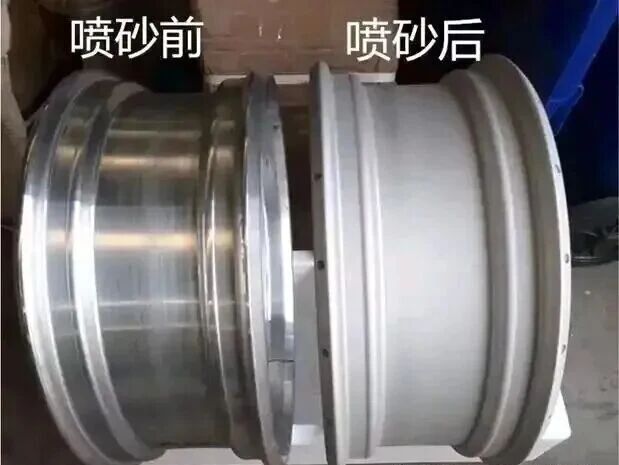
- Surface preparation. On suitable exposed surfaces, blasting removes rust, scale or old coating and creates a profile that can help a compatible coating bond. The complete coating system, cleanliness and profile must be specified and checked.
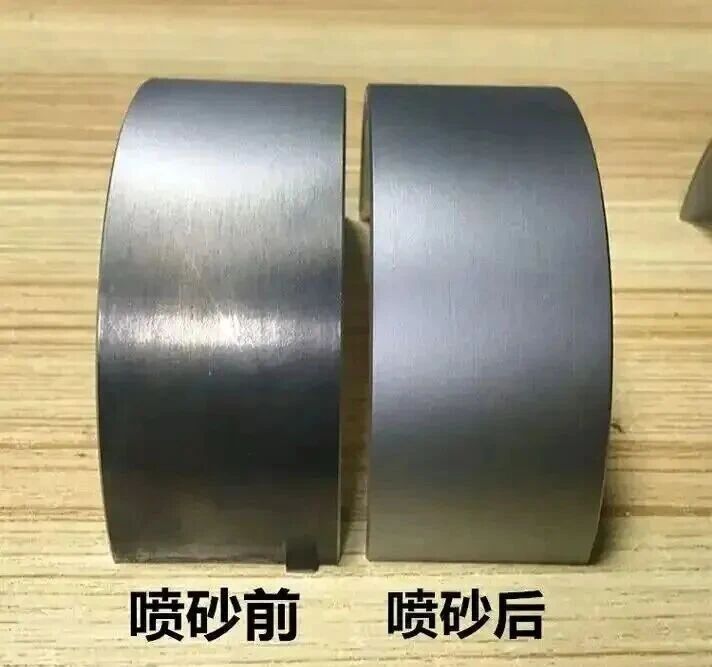
- Consistent appearance. A controlled process can reduce visible directional machining marks and create a uniform matte texture. Deep defects may remain; an approved sample is useful for cosmetic acceptance.
- Limited edge finishing. Blasting can soften small, accessible burrs, but it is not a substitute for deliberate deburring of threads, cross holes, sealing edges or hidden intersections.
- Flexible process planning. Different media and settings can serve heavy cleaning or fine cosmetic work, provided a sample, process window and inspection criteria are agreed.
Does blasting guarantee Sa 2½ or Sa 3?
No. Sa 2½ and Sa 3 in ISO 8501-1 are visual preparation grades for blast-cleaned steel surfaces in relevant coating work. They are not automatic properties of every blasted part, and they do not by themselves define surface profile or coating adhesion. When a project needs these grades, state the applicable standard and grade on the drawing or purchase specification, then inspect the finished surface. Surface profile can be assessed separately under the appropriate ISO 8503 method.
What should a CNC part drawing or RFQ specify?
- Material, heat-treatment condition and whether blasting is for cleaning, coating preparation or appearance.
- The surfaces to blast and the threads, precision bores, sealing faces or datum faces to mask.
- Allowed media, media size or prohibited media, plus an approved appearance sample if needed.
- Any post-blast roughness or visual grade requirement, the measurement location and test method.
- Dimensional limits after finishing, especially for tight fits, thin walls and sharp edges.
- Post-blast cleaning and the subsequent coating, plating, anodising or passivation requirements.
For drawing-based parts, decide these points before machining allowances and inspection plans are fixed. Blasting can change a functional surface or edge, so test a representative part when the finish is new or tolerance-sensitive.
Frequently asked questions
Can blasting remove oil and all burrs in one step?
No. Degreasing may be needed before blasting, and hidden or strongly attached burrs need a separate deburring method. Check critical edges and cavities after finishing.
Does blasting change dimensions or surface roughness?
It can. Material removal, peening, edge rounding and media impact depend on the process. Specify protected features and verify critical dimensions and roughness on a representative sample.
Is glass-bead blasting always safe for precision parts?
No. Beads can affect edges and remain in holes. Media size, pressure, masking and post-cleaning should be chosen for the part and confirmed by inspection.
Discuss a blasted finish with DXSCNC
DXSCNC can review drawing-based CNC turned and turn-mill components together with the requested surface finish. Send the drawing, material, quantity, surfaces to treat, protected features and acceptance criteria so the finishing route can be assessed for the project.
Related pages: CNC turning, machined components, materials, quality and inspection, burr control, and manufacturing examples.
Technical references: ISO 8501-1, ISO 8503-2, and OSHA abrasive blasting guidance.